Versorgungseinrichtungen für Elektrofahrzeuge (EVSE)
Kerndefinition
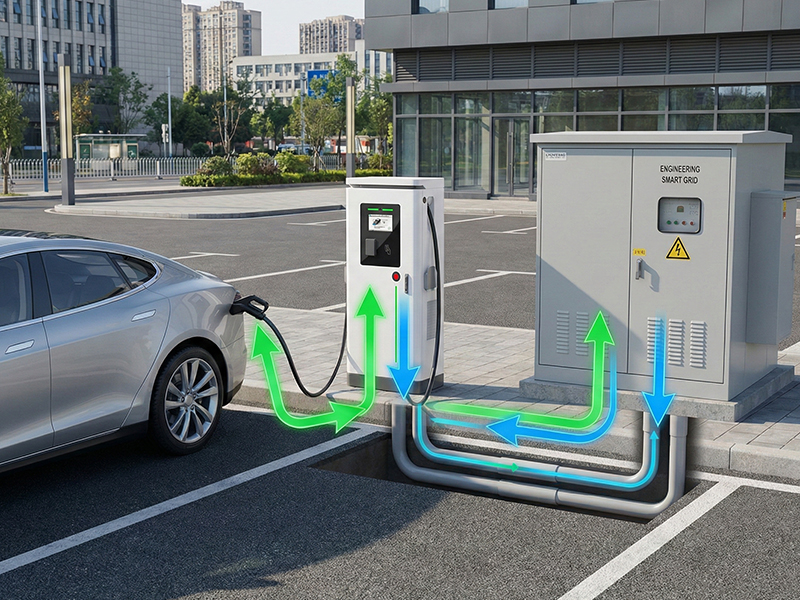
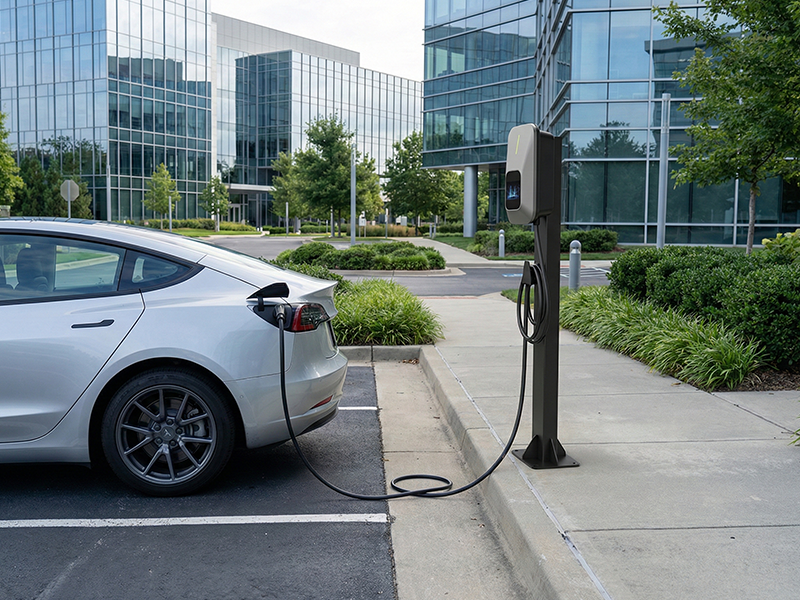
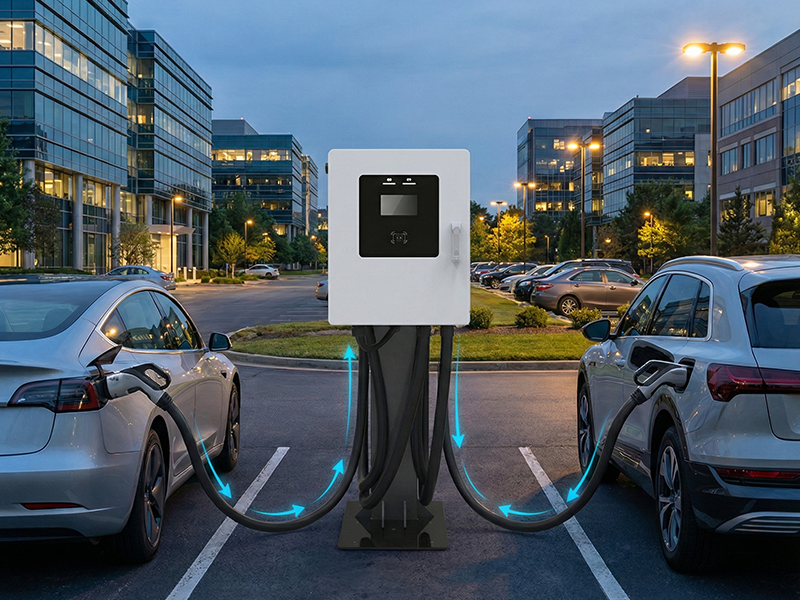
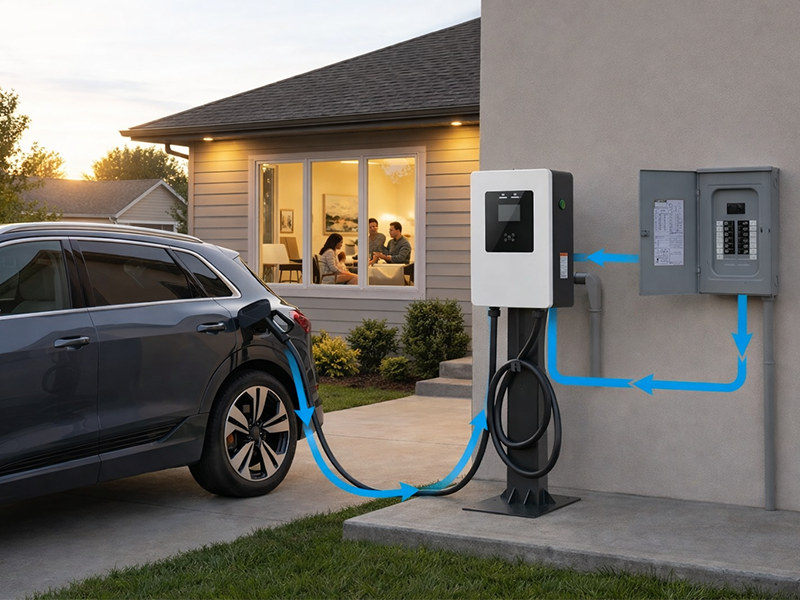
EVSE ist der offizielle technische Begriff, der in der Branche für “Ladestationen” oder “Ladesäulen” verwendet wird. Er bezieht sich nicht nur auf den Stecker, sondern auch auf die Kabel, Schaltkästen, Kommunikationsprotokolle, Sicherheitsvorrichtungen und alle Hardware- und Softwaresysteme, die für die sichere Übertragung von Strom vom Netz zum Fahrzeug verantwortlich sind. Sie fungiert als “Gatekeeper”, der die elektrische Sicherheit für den Nutzer, das Fahrzeug und das Netz gewährleistet.
Analyse aus der Perspektive der Anwendungsumgebung
Die Auswahl der EVSE hängt ganz von der physikalischen Umgebung und den Anforderungen der Nutzer ab.
Robuste Outdoor-Umgebungen: Auf Parkplätzen unter freiem Himmel oder in Regionen mit extremer Kälte/Hitze müssen EVSE über hohe Schutzklassen verfügen (z. B. IP54/IP65). Die Umgebung schreibt vor, dass die Geräte Regen, Schnee, versehentlichen Fahrzeugstößen oder sogar Vandalismus standhalten müssen, während gleichzeitig sichergestellt wird, dass Sicherheitsfunktionen wie die Isolationsüberwachung auch unter feuchten Bedingungen empfindlich und wirksam bleiben.
Supercharging Stations (Hochleistungsladestationen): An Autobahnraststätten ist EVSE nicht nur ein elektrisches Gerät, sondern auch ein hochentwickeltes Kühlsystem. Um Ströme von mehr als 500 A zu übertragen, benötigen die Ladekabel interne Flüssigkeitskühlkreise. In dieser Umgebung ist EVSE ein komplexes industrielles Gerät, das Leistungselektronik, Wärmemanagement und Hochspannungssicherheit vereint.
V2G
EV Smart Charging
EV-Roaming
Betreiber einer Elektrofahrzeugflotte
Dynamischer Lastausgleich
Nachfrageseitige Reaktion
CPO
AC-Ladung
V2V
V2L
V2H
Nach oben scrollen
Termin vereinbaren
Füllen Sie das nachstehende Formular aus, und wir werden uns in Kürze mit Ihnen in Verbindung setzen.