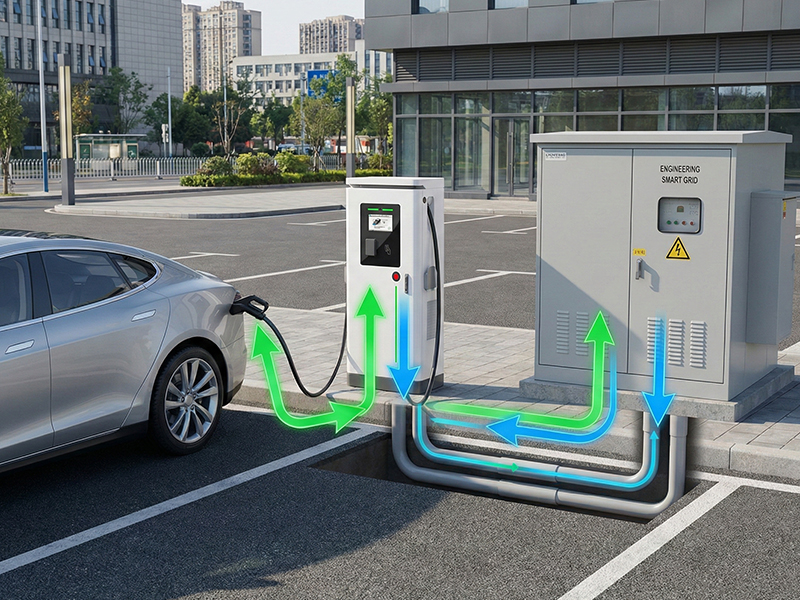
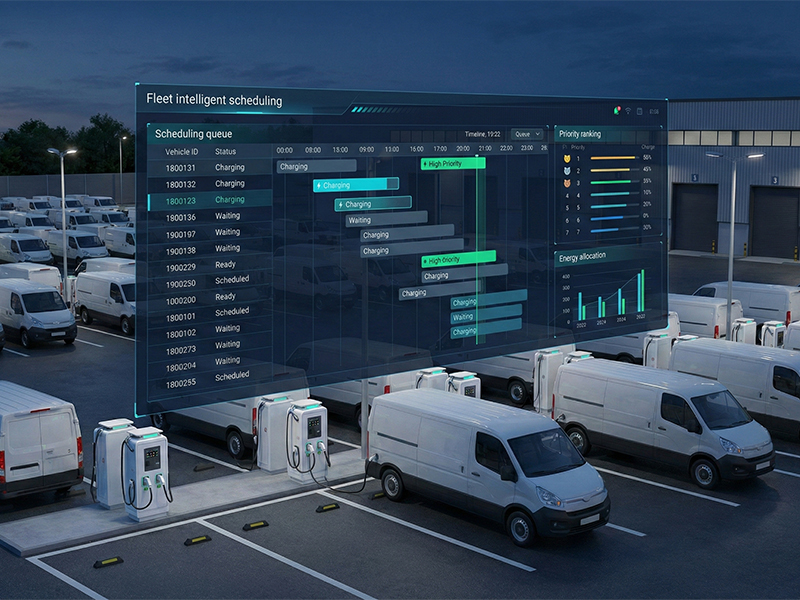
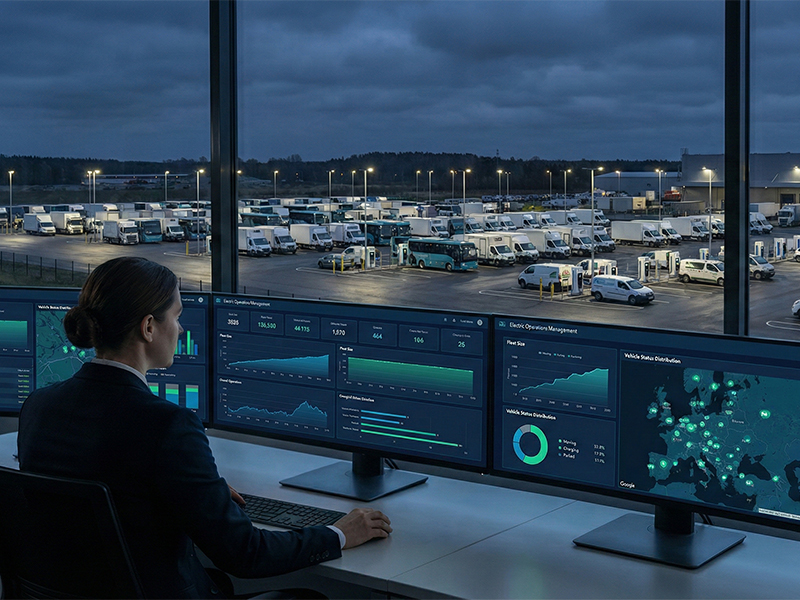
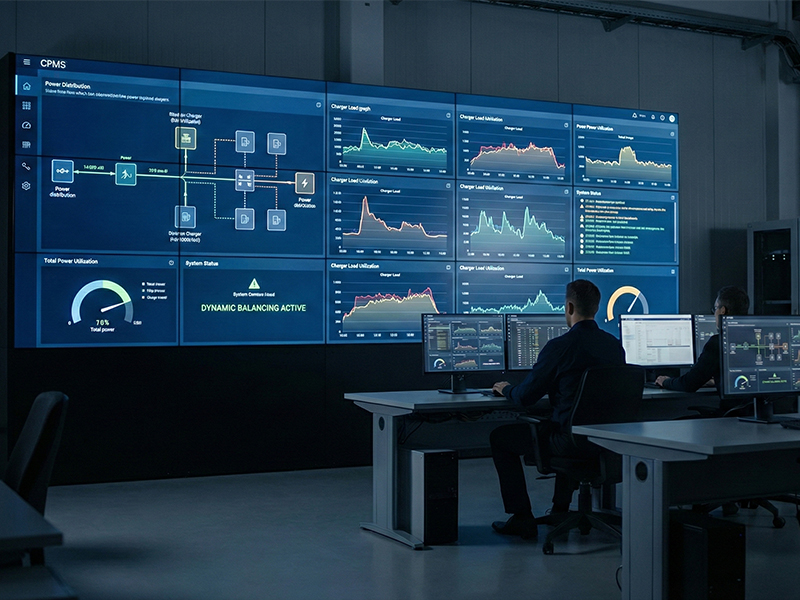
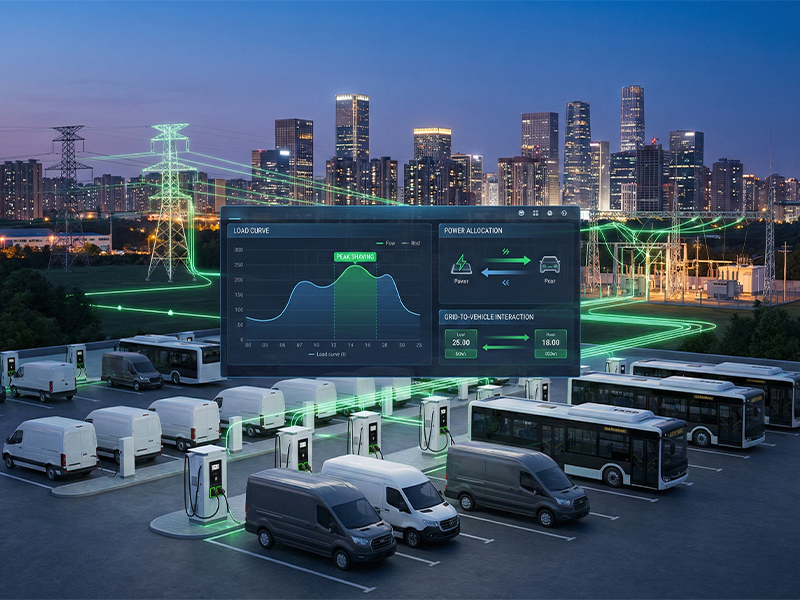
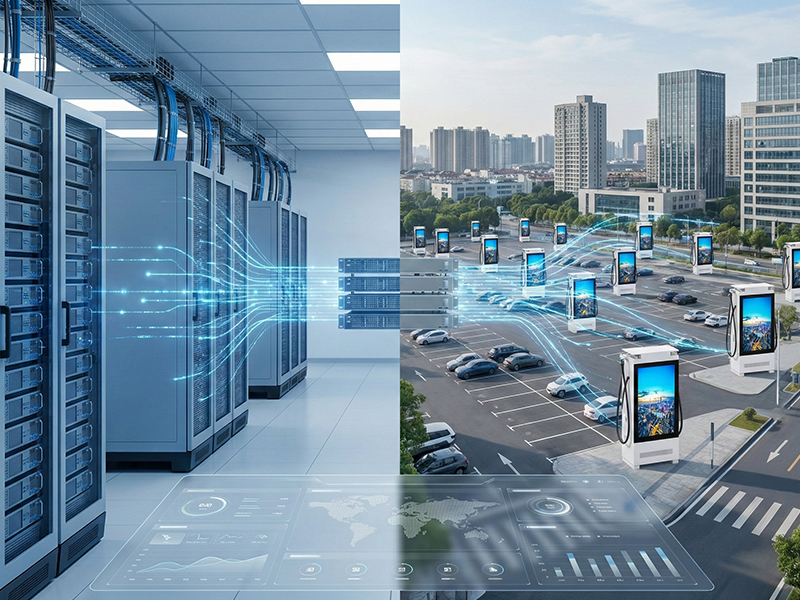
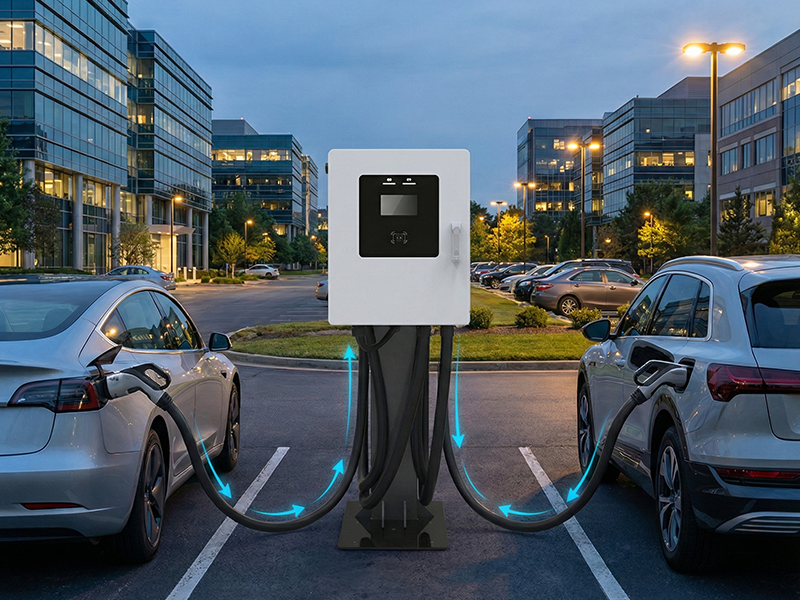
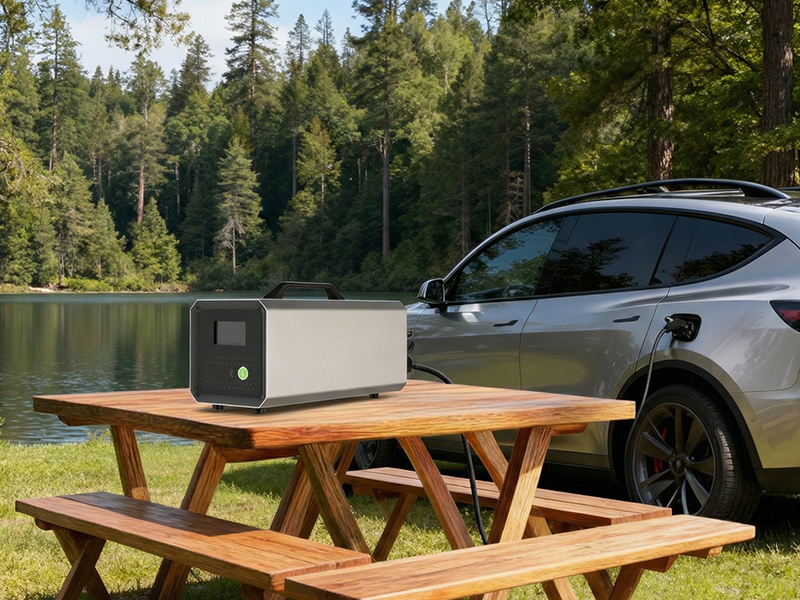
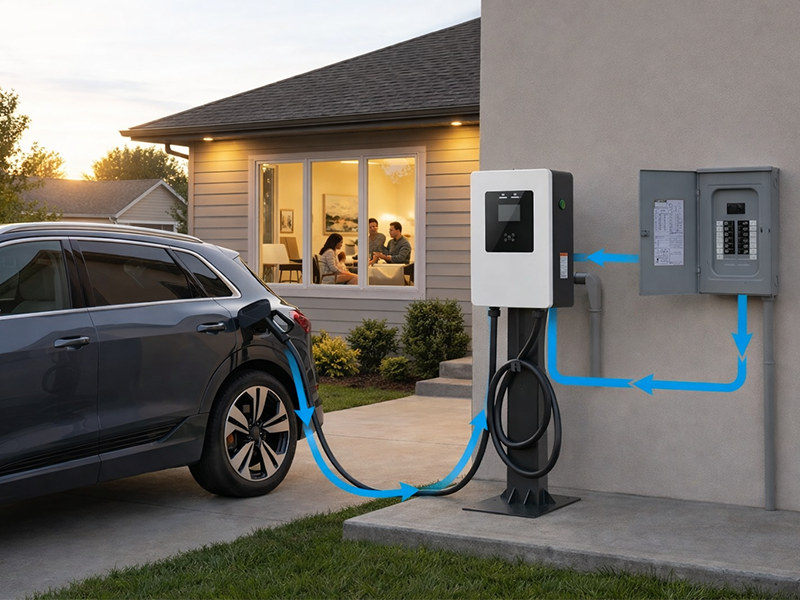
L'équilibrage dynamique de la charge est une technologie de gestion intelligente de l'énergie qui surveille en temps réel la charge totale d'un bâtiment ou d'un site et distribue dynamiquement la capacité disponible restante aux chargeurs actifs. Elle garantit une efficacité maximale de la charge sans déclencher le disjoncteur principal ou nécessiter des mises à niveau coûteuses de la connexion au réseau.
Analyse du point de vue de l'environnement de l'application
La DLB est l'antidote à l“”angoisse de la capacité électrique", qui s'applique principalement aux bâtiments anciens dont les ressources électriques sont limitées ou aux scénarios de charge à haute densité.
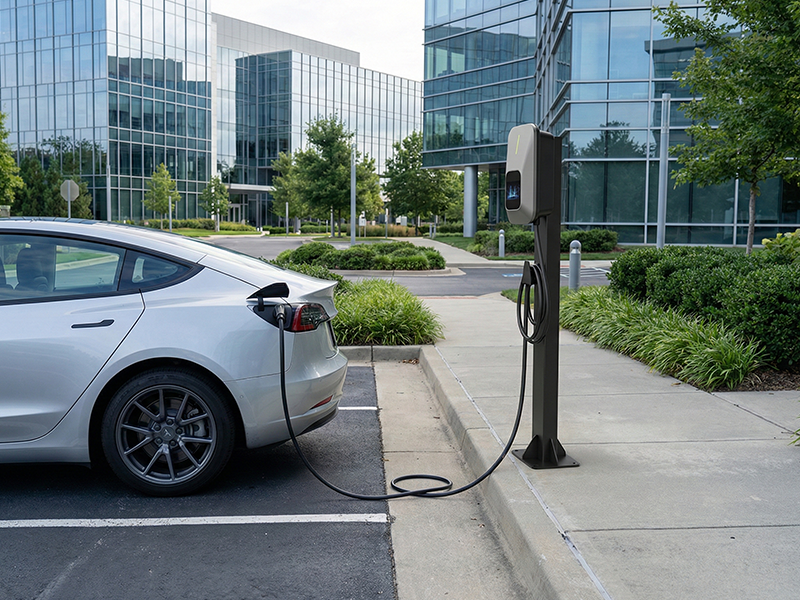
Rénovation résidentielle : Dans de nombreux appartements construits il y a plusieurs dizaines d'années, la capacité des transformateurs ne tenait pas compte de la charge des véhicules électriques. DLB surveille la consommation du bâtiment en temps réel (par exemple, pendant les pics de consommation du soir lorsque l'on cuisine ou que l'on utilise le courant alternatif) et réduit la puissance des chargeurs ; tard dans la nuit, lorsque la consommation diminue, il augmente automatiquement la puissance de charge. Cela permet d'installer des chargeurs sans avoir à moderniser les transformateurs.
Dépôts d'entreprise et de logistique : Lorsque des dizaines de véhicules se branchent simultanément, une charge incontrôlée risque d'endommager le réseau local. Le système DLB agit comme un contrôleur de trafic, donnant la priorité au courant élevé aux véhicules en fonction de l'état de charge (SoC) ou de l'heure de départ, tout en mettant les autres en file d'attente ou en les limitant, ce qui garantit la sécurité des opérations électriques sur le site.
V2G
Chargement intelligent des VE
Itinérance EV
Opérateur de flotte de véhicules électriques
Équilibrage dynamique de la charge
Réponse à la demande
CPO
Chargement en courant alternatif
V2V
V2L
V2H
Retour en haut
Prendre rendez-vous
Remplissez le formulaire ci-dessous et nous vous contacterons dans les plus brefs délais.