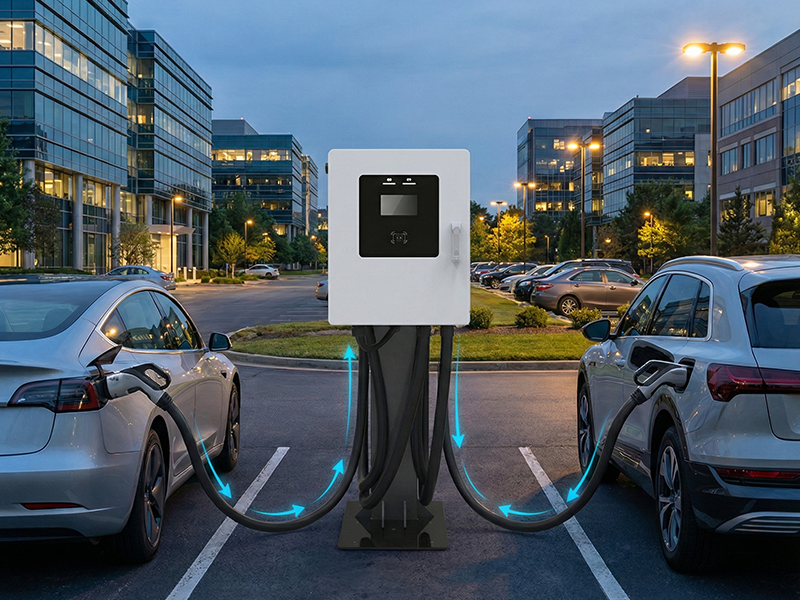
Queue Management for EV Charging refers to software and hardware solutions designed to resolve congestion when charging demand exceeds supply. It includes virtual queuing systems (digital ticketing via App), idle fee penalty mechanisms, and even physical parking lock integration, aiming to optimize traffic flow and reduce user waiting anxiety.
Analysis from an Application Environment Perspective
This system is primarily applied in high-demand, high-turnover public charging hubs.
Highway Rest Stops During Holidays: During major holidays, charging demand surges. Virtual queuing systems allow drivers to “take a ticket” via mobile upon entering the rest area and wait in their car or a lounge until the App notifies them of a vacancy. This eliminates conflicts caused by cutting in line and maintains order at the facility.
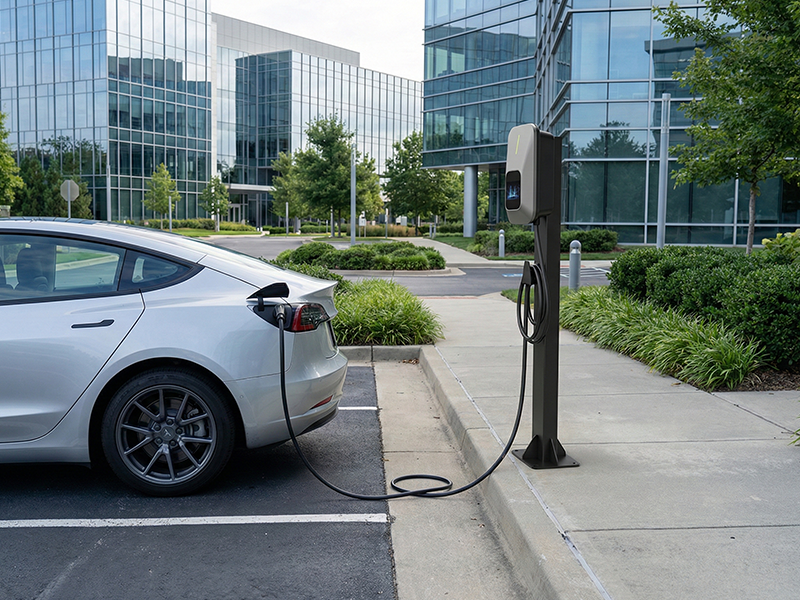
Urban Center Fast Charging Stations: In prime urban locations, preventing ICEing (Gas cars blocking spots) or EV squatting after charging is critical. Cameras or parking locks in this environment integrate with the queuing system; locks only lower for vehicles with a valid reservation. Once charging ends, the system immediately calculates high “idle fees,” pressuring owners to move their cars quickly and increasing station turnover.
V2G
EV Smart Charging
EV Roaming
Electric Vehicle Fleet Operator
Dynamic Load Balancing
Demand Side Response
CPO
AC Charging
V2V
V2L
V2H
Прокрутить вверх
Schedule Appointment
Fill out the form below, and we will be in touch shortly.