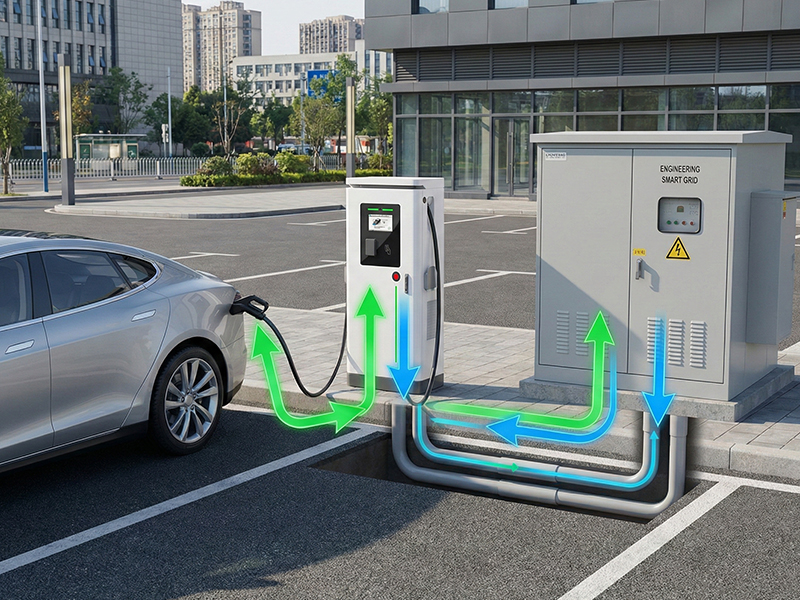
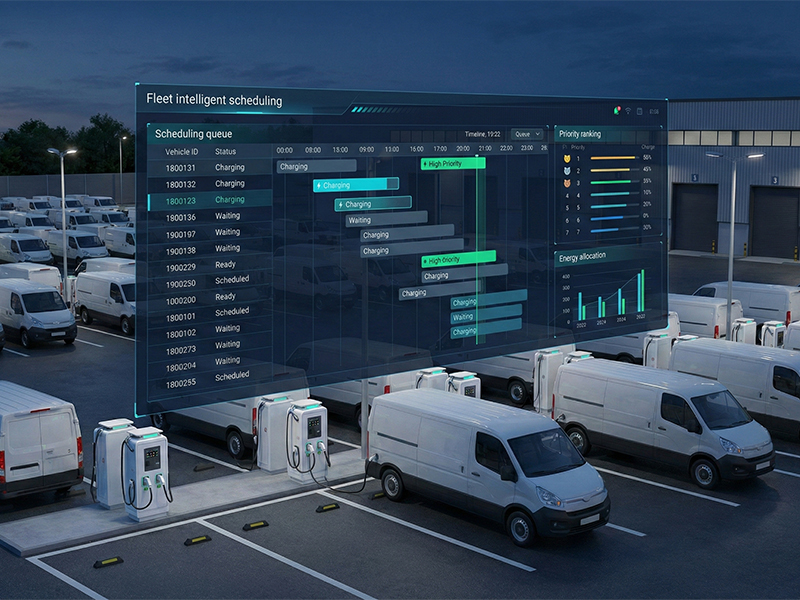
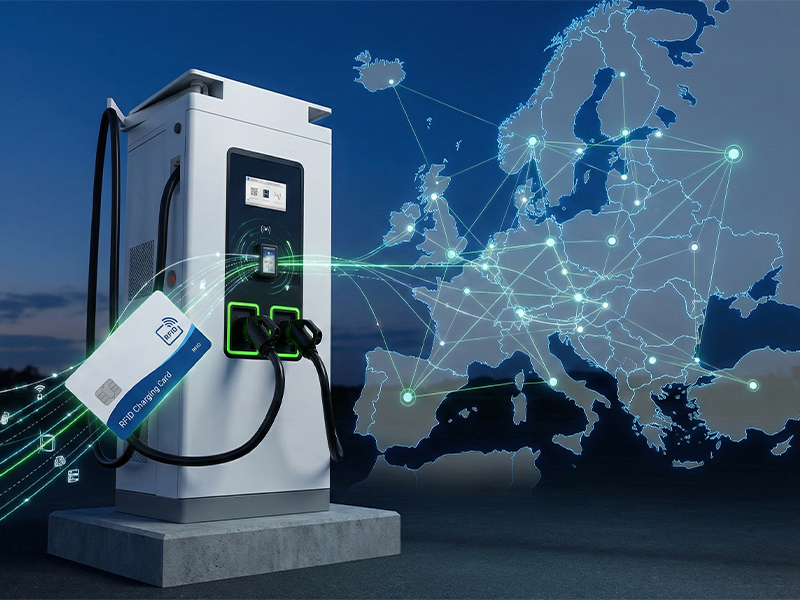
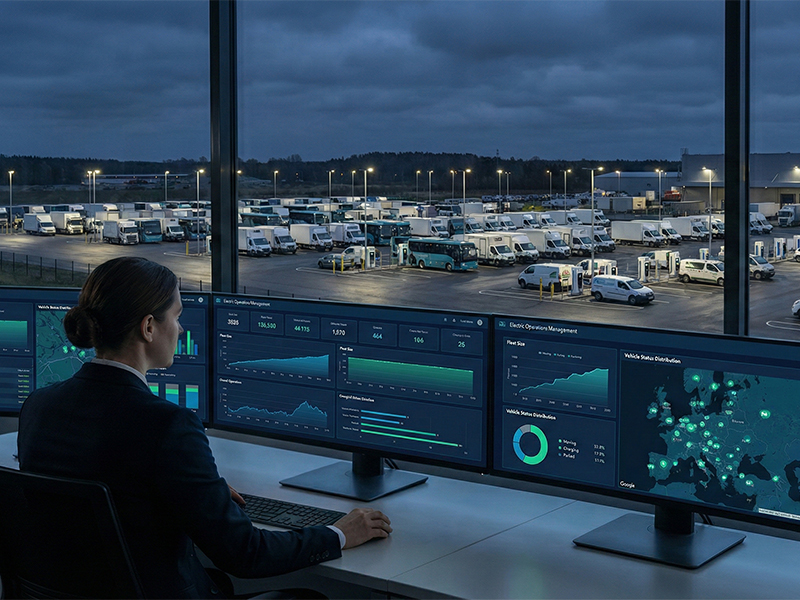
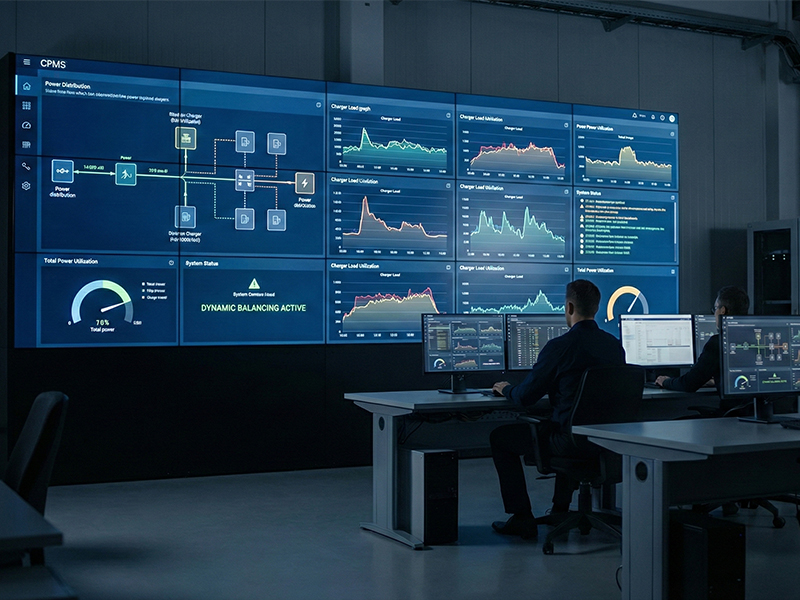
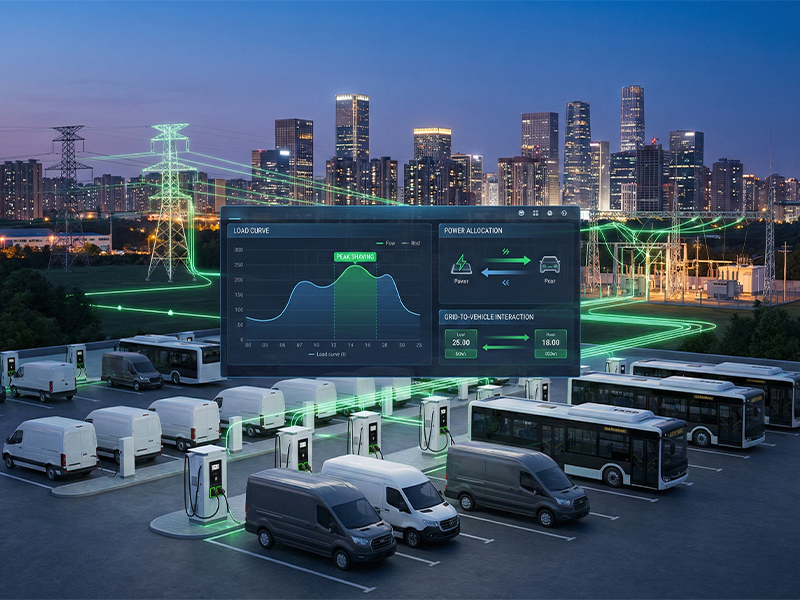
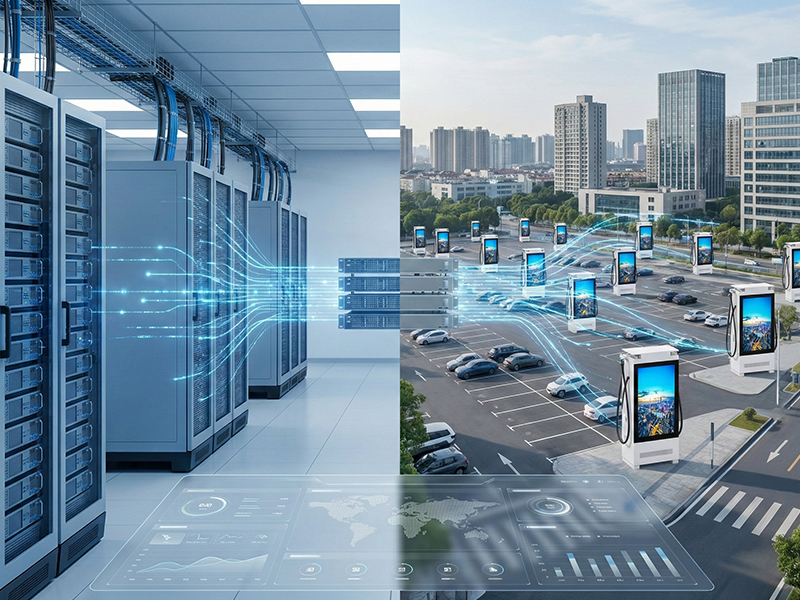
Load Balancing is a technical strategy for rationally distributing limited power resources among multiple charging points. Compared to the specifically mentioned “Dynamic Load Balancing,” this is a broader concept covering everything from static current limiting to dynamic adjustment, aimed at preventing electrical overloads and ensuring infrastructure operates safely within existing grid capacity.
Analysis from an Application Environment Perspective
Load Balancing is primarily applied in scenarios where power capacity is a scarce resource.
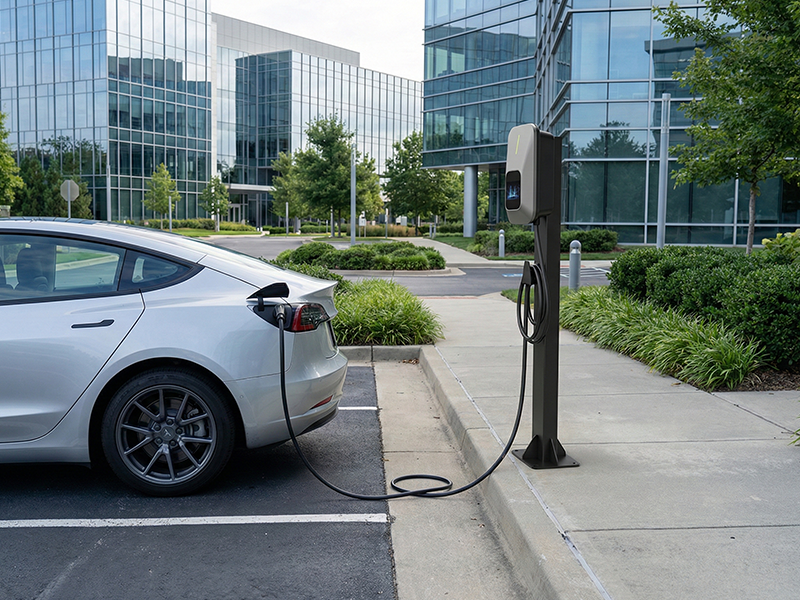
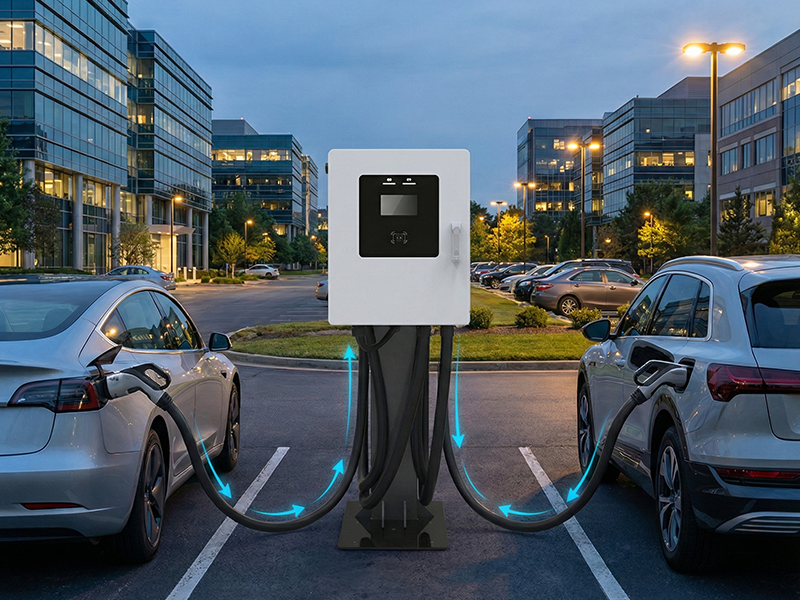
Office Buildings & Campuses: When an office building installs 20 chargers, but the building transformer can only support 10 running at full speed, the load balancing system intervenes. It distributes power evenly or rotates charging sessions (e.g., 15 minutes per group). In this environment, it avoids expensive infrastructure upgrade costs.
Multi-Level Parking Garages: In multi-story structures, cabling distances are long, leading to voltage drops. Load balancing monitors not just power distribution but voltage levels across floors. When many vehicles plug in on the same floor, the system automatically limits current to prevent local wiring from overheating and causing fire hazards.
V2G
EV Smart Charging
EV Roaming
Electric Vehicle Fleet Operator
Dynamic Load Balancing
Demand Side Response
CPO
AC Charging
V2V
V2L
V2H
Прокрутить вверх
Schedule Appointment
Fill out the form below, and we will be in touch shortly.