Analysis from an Application Environment Perspective
Bidirectional charging transforms the EV from a mere “appliance” into a “mobile energy hub.” Its application environments depend on the specific need for energy flow—whether for emergency backup, economic arbitrage, or off-grid power usage.
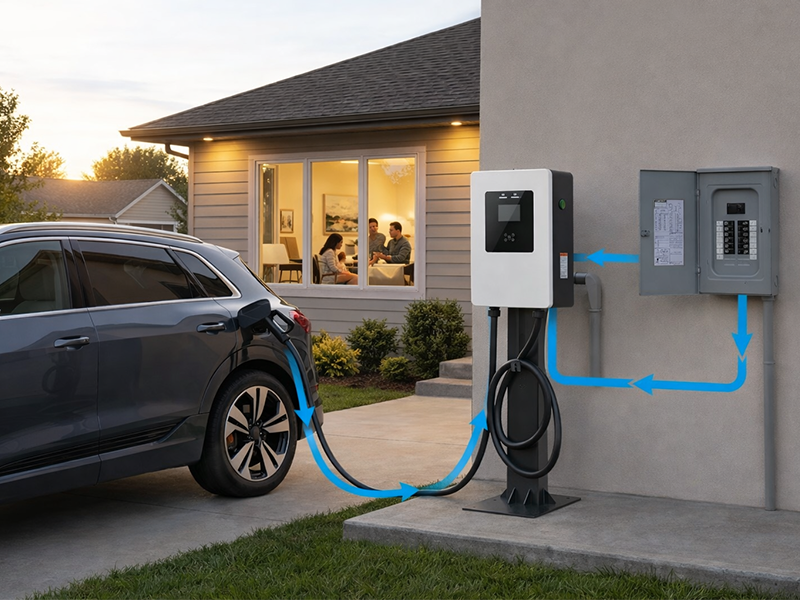
Home Energy Resilience & Optimization (V2H – Vehicle to Home): In scenarios involving power outages caused by extreme weather, the EV acts as a massive “power bank” for the home, keeping critical appliances like refrigerators and lights running for days. Additionally, in homes with solar panels, the vehicle can store excess solar energy generated during the day and discharge it for household use at night, maximizing self-consumption and reducing reliance on the grid.
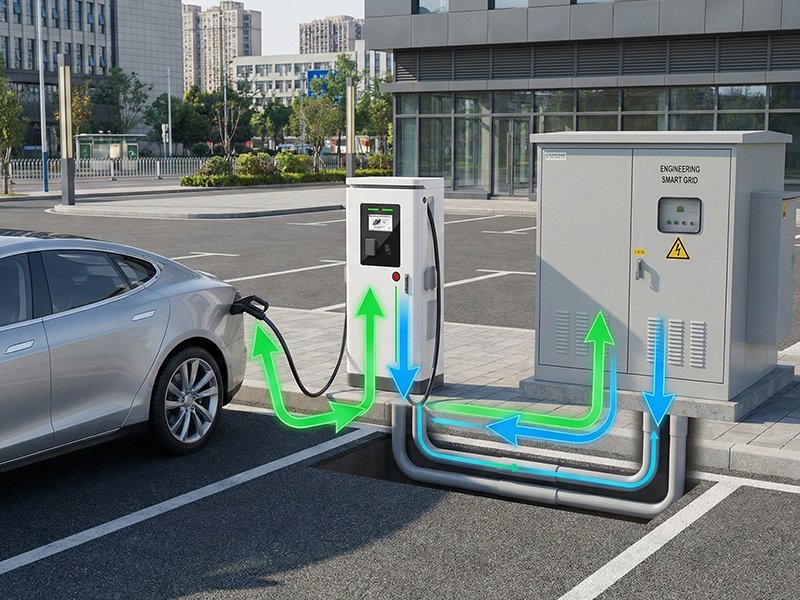
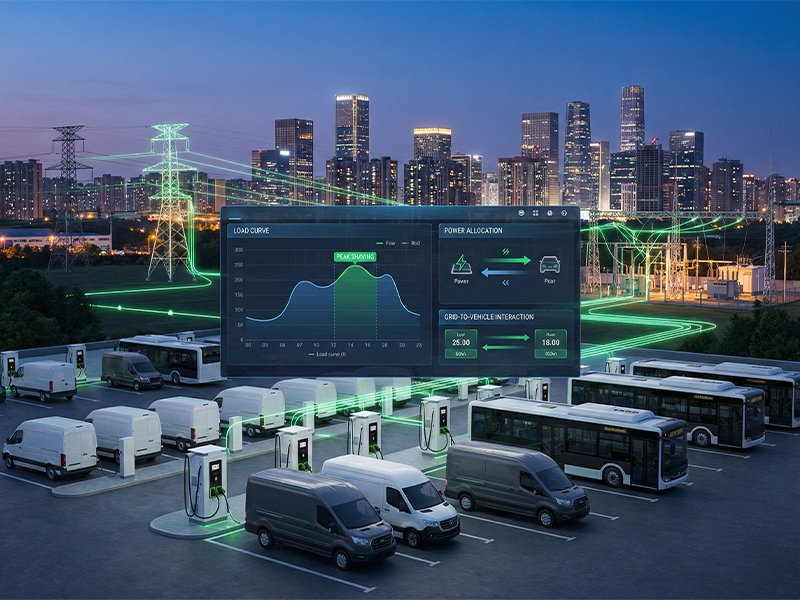
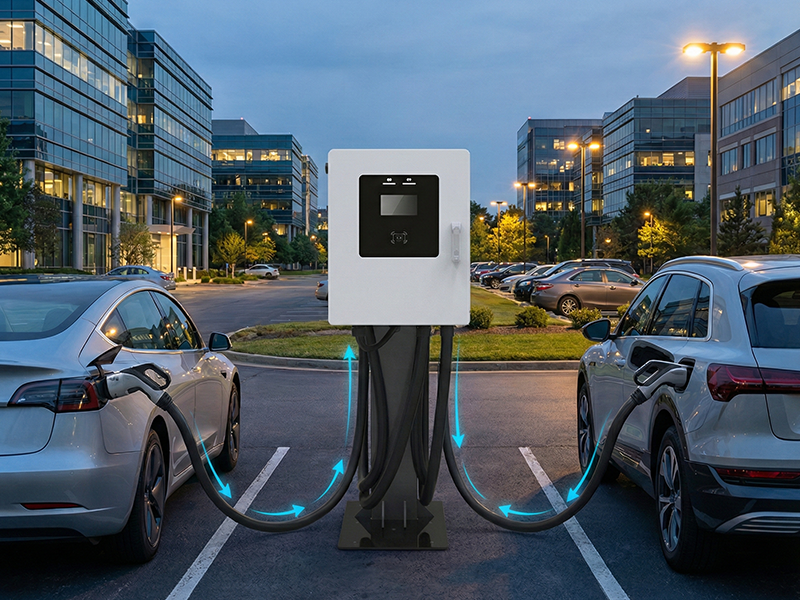
Grid Peak Shaving & Ancillary Services (V2G – Vehicle to Grid): In regions with mature electricity markets, thousands of parked EVs can be connected via aggregators to form a “Virtual Power Plant.” During peak demand periods (e.g., summer heatwaves), these vehicles feed energy back into the grid to generate revenue; conversely, they absorb excess energy when renewable generation surges. This scenario primarily occurs in large-scale parking lots or charging stations equipped with smart dispatch capabilities.
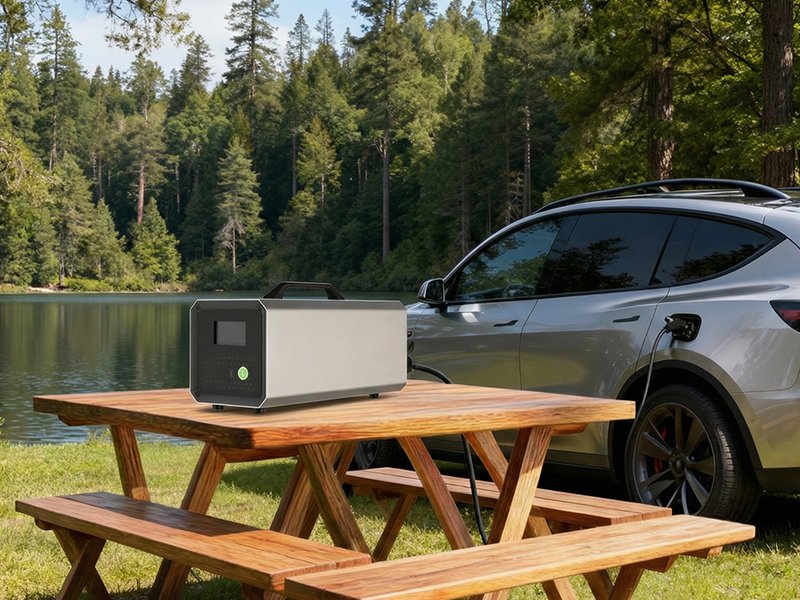
Off-Grid Operations & Outdoor Lifestyle (V2L – Vehicle to Load): This is the most tangible application. At campsites, the vehicle powers coffee makers and electric grills. At construction sites or disaster relief zones, electric pickups or SUVs replace noisy diesel generators, providing silent, zero-emission, high-power energy for power tools, cutting machines, or medical equipment.
Mutual Charging (V2V – Vehicle-to-Vehicle): In this mode, the relationship between EVs shifts from “independent power consumers” into a “peer-to-peer mutual aid network.” Its application environment typically occurs in “island” scenarios lacking infrastructure or during emergency moments, essentially functioning as an energy “transfusion” mechanism.
Roadside Rescue: This is the electric upgrade to traditional “fuel delivery services.” When a vehicle runs out of charge on a remote road, instead of waiting for an expensive tow truck, another V2V-capable vehicle (such as a mobile rescue unit or a passing driver) can directly charge it via a dedicated cable, providing enough range to reach the nearest station in a short time.
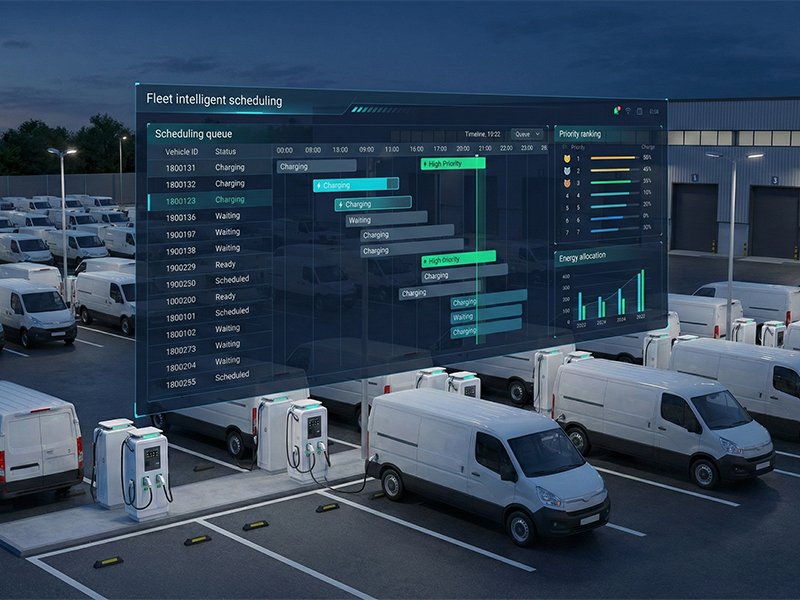
Fleet Energy Balancing: In off-grid field exploration or long-haul transport, if one vehicle runs low due to heavy loads, V2V enables energy redistribution within the fleet. This strategy ensures the overall range security of the convoy, preventing individual vehicles from being left behind due to power depletion.
V2G
EV Smart Charging
EV Roaming
Electric Vehicle Fleet Operator
Dynamic Load Balancing
Demand Side Response
CPO
AC Charging
V2V
V2L
V2H
Прокрутить вверх
Schedule Appointment
Fill out the form below, and we will be in touch shortly.