Analysis from an Application Environment Perspective
The primary advantage of AC charging lies in its cost-effectiveness and grid-friendliness. Consequently, its application scenarios revolve around locations with “Long Dwell Times.” It emphasizes the concept of “charging while parking,” utilizing the time the vehicle is idle to replenish energy.
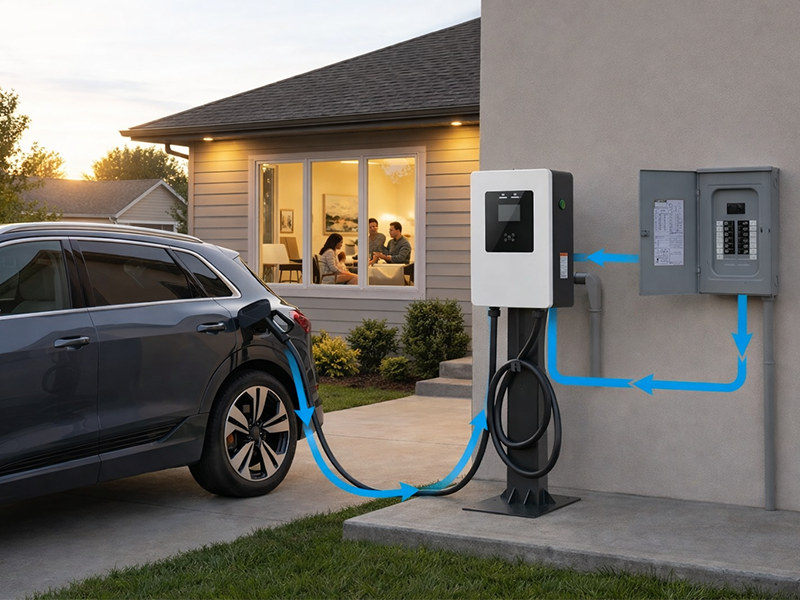
Residential Communities (Home Charging): This is the most critical scenario for AC charging. Owners utilize overnight rest periods to charge via wall-mounted chargers (typically Level 2). This “plug-and-sleep” model mimics mobile phone charging, leveraging off-peak nighttime electricity rates to lower costs and ensure a full battery for the next day. For Multi-Unit Dwellings (MUDs), shared AC charging infrastructure is becoming a standard utility.
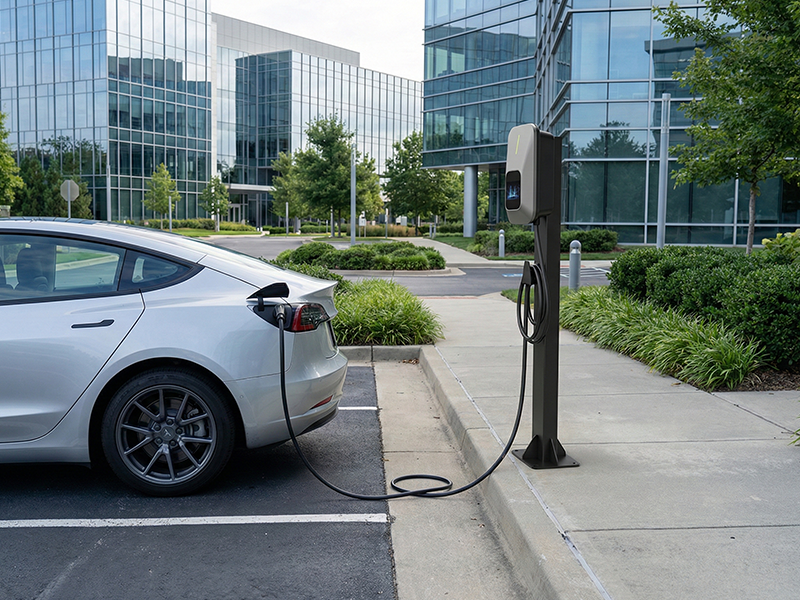
Workplaces (Corporate Campuses): As the “secondary parking spot” during the day, office buildings and industrial parks represent the second-largest scenario for AC charging. Employees can fully recharge during their 8-hour shift. This not only alleviates range anxiety for owners without home chargers but serves as an employee perk and a critical enabler for corporate fleet electrification.
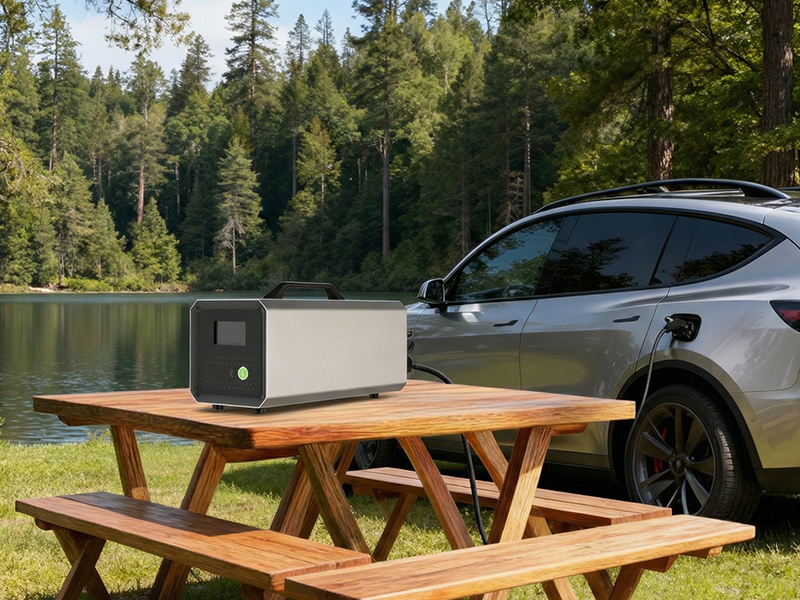
Destination Charging (Commercial & Leisure Venues): At malls, hotels, cinemas, restaurants, or tourist attractions, AC chargers provide a “value-added service.” Since users typically stay for 1–4 hours, AC charging is sufficient to replenish the energy consumed during the commute. For businesses, this serves as an effective strategy to attract high-value customers and increase their dwell time at the venue.
V2G
EV Smart Charging
EV Roaming
Electric Vehicle Fleet Operator
Dynamic Load Balancing
Demand Side Response
CPO
AC Charging
V2V
V2L
V2H
Retour en haut
Schedule Appointment
Fill out the form below, and we will be in touch shortly.