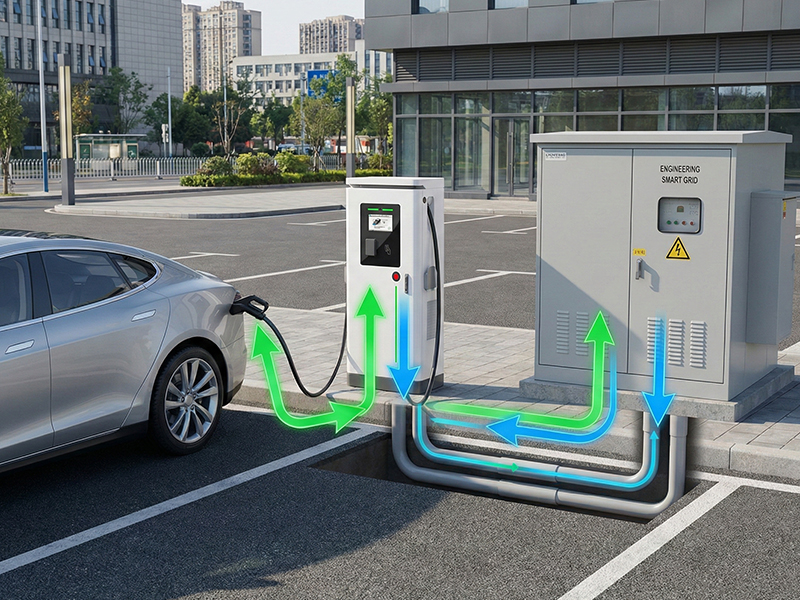
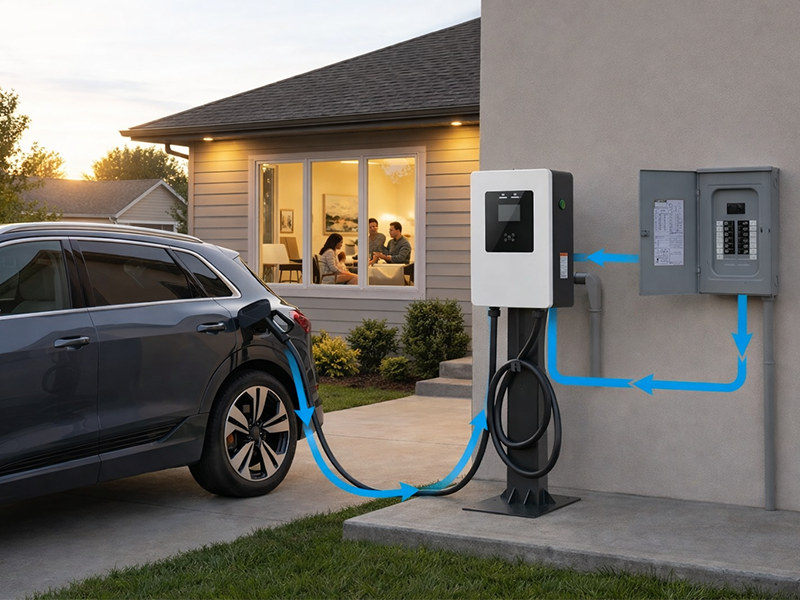
Demand Side Response refers to electricity consumers (in this context, EV owners or Charge Point Operators) actively altering their habitual charging patterns in response to grid signals (such as price incentives or emergency load shedding instructions). It represents a shift from “passive consumption” to “active interaction,” aimed at balancing electricity supply and demand to prevent grid overload.
Analysis from an Application Environment Perspective
The core of DSR is “flexibility,” and its application usually occurs when the regional grid is under stress.
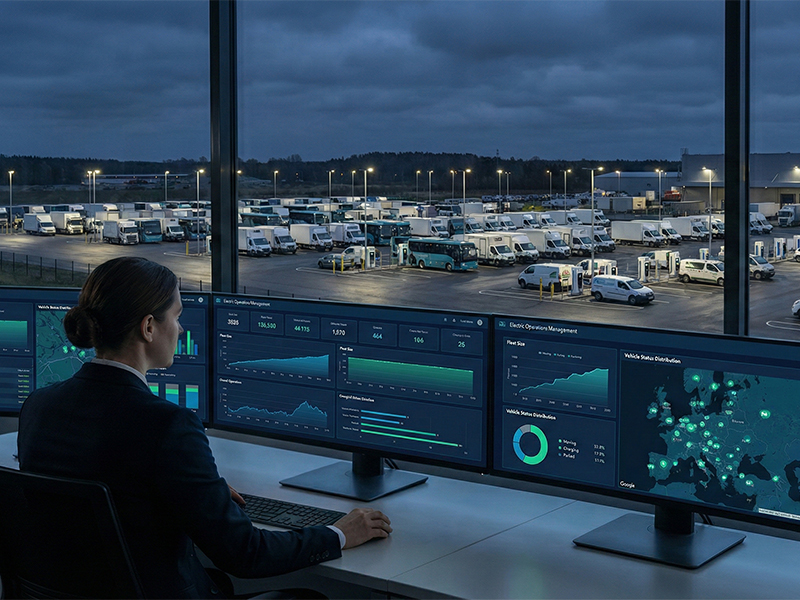
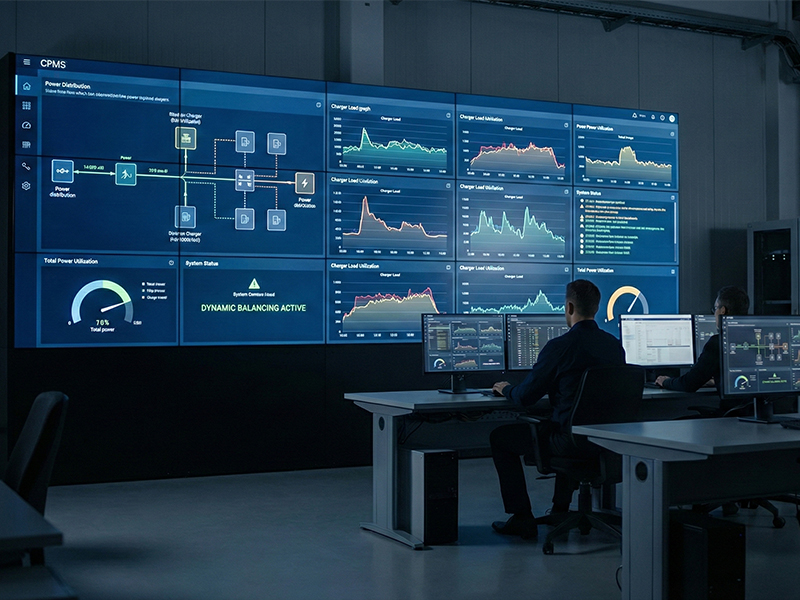
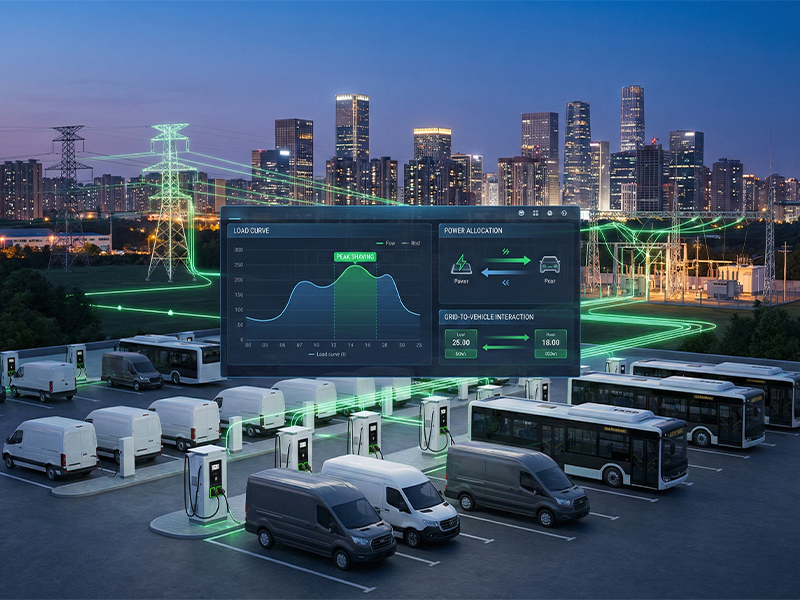
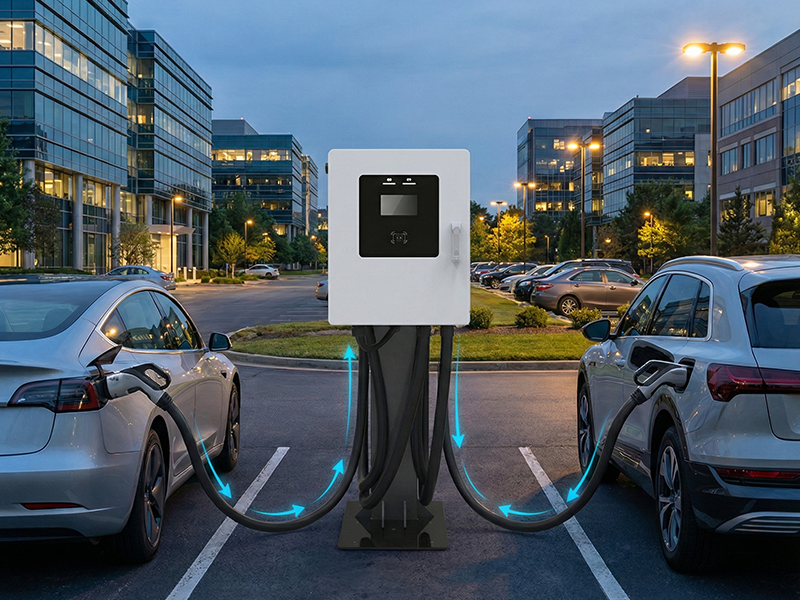
Grid Emergency Peak Shaving: When extreme heatwaves or cold snaps push grid loads to their limits, DSR mechanisms are triggered. Via charging management platforms, thousands of active chargers temporarily reduce power or pause charging. This prevents rolling blackouts, ensuring power for homes and critical facilities, while EV owners receive bill credits or rewards.
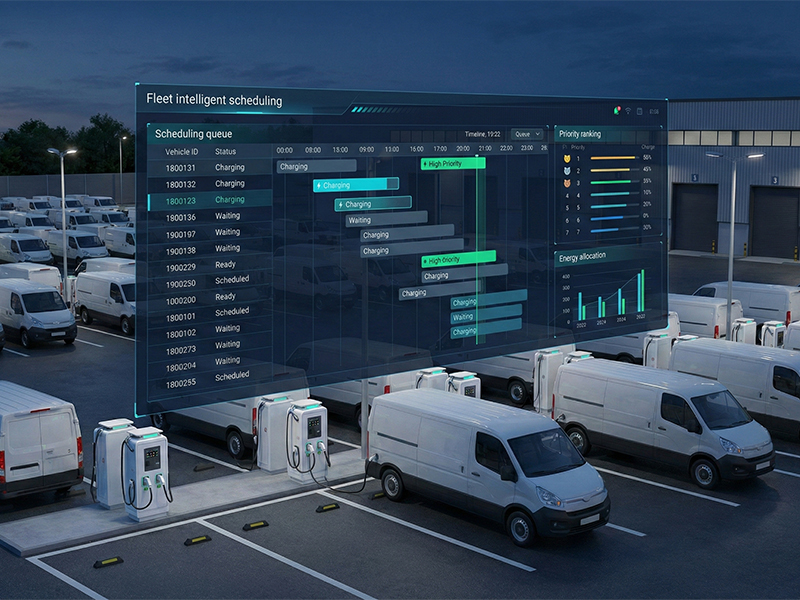
Commercial Fleet Cost Control: For logistics parks with massive charging needs, DSR responds to “peak pricing” signals by automatically avoiding charging during expensive windows. This is not just energy saving; it is a financial arbitrage tool powered by algorithms, significantly reducing Operational Expenditure (OPEX).
V2G
EV Smart Charging
EV Roaming
Electric Vehicle Fleet Operator
Dynamic Load Balancing
Demand Side Response
CPO
AC Charging
V2V
V2L
V2H
Scroll al inicio
Schedule Appointment
Fill out the form below, and we will be in touch shortly.